Soft Washing vs Pressure Washing for Delicate Wealden Tiles
Ask two different tradespeople how to clean a mossy roof and you may well get two very different answers. One will reach for a high-pressure jet wash. The other will insist on a gentler, low-pressure approach. For most modern roofs the difference matters, but for the older clay peg tile roofs so common across Sevenoaks, getting this choice right is the difference between a roof that lasts for decades and one that starts failing years before it should. This is why roof cleaning Sevenoaks homeowners choose should always start with a conversation about method, not just price.
The quick answer: soft washing, which uses low water pressure and a biocide treatment, is almost always the safer choice for Sevenoaks' delicate Wealden clay tiles, while pressure washing risks stripping, cracking or dislodging tiles that were never designed to withstand a high-pressure jet.
1. Roof Cleaning Sevenoaks Homeowners Can Trust Starts With Method
Sevenoaks' roofs are not all the same. The town's older streets, including much of the historic centre and the conservation areas around Kippington and Sevenoaks Weald, are dominated by hand-made clay peg tiles, while newer developments further out tend to use denser, machine-made concrete or clay tiles. The method used to clean a roof should reflect which of these it actually is, rather than applying the same approach to every job regardless of tile type.
This is exactly why the method question deserves more attention than it usually gets. A method that works perfectly well on a modern concrete tile roof can cause real damage on an older hand-made tile roof just a few streets away.
2. What Pressure Washing Does to a Roof
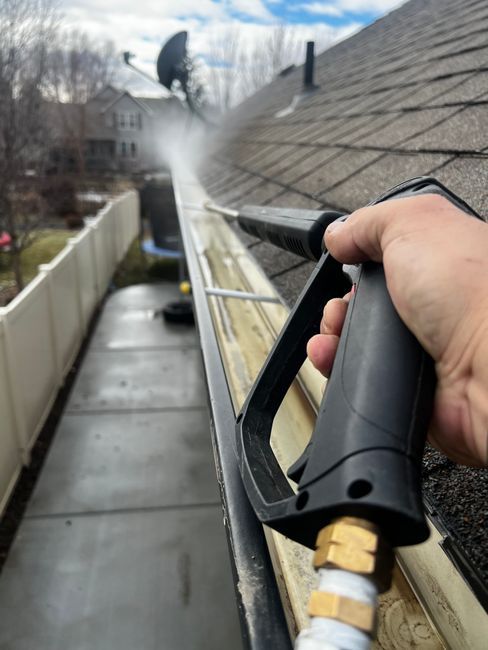
Pressure washing forces water out at high velocity to physically blast moss, algae and grime off a surface. On a driveway or patio this works well because the surface is dense, flat and designed to take that kind of force. A roof tile is a different proposition entirely, particularly an older or hand-made one, because the surface is softer, thinner and often already weakened by age and weathering.
High pressure applied directly to a tile can strip its protective surface layer, crack it outright, or force water beneath the tile and into the roof structure through joints and overlaps that were never designed to be sprayed directly. Even where tiles survive the process intact, the exposed surface left behind is often rougher and more porous, which ironically makes moss and algae regrow faster than before.
3. What Soft Washing Does Differently
Soft washing uses a fraction of the water pressure of a jet wash, combined with a biocide treatment applied to the roof surface. Rather than physically blasting moss and algae away, the treatment kills the organic growth at the root, including the spores that cause regrowth, and the material is then rinsed away gently rather than forced off under pressure.
Because the pressure involved is so much lower, soft washing is far less likely to crack, chip or dislodge tiles, and it does not strip away the tile's natural surface in the way high pressure can. For most roofs in Sevenoaks, and particularly for older ones, this makes soft washing the safer default rather than a premium alternative.
4. Why Wealden Clay Peg Tiles in Sevenoaks Are Especially Vulnerable
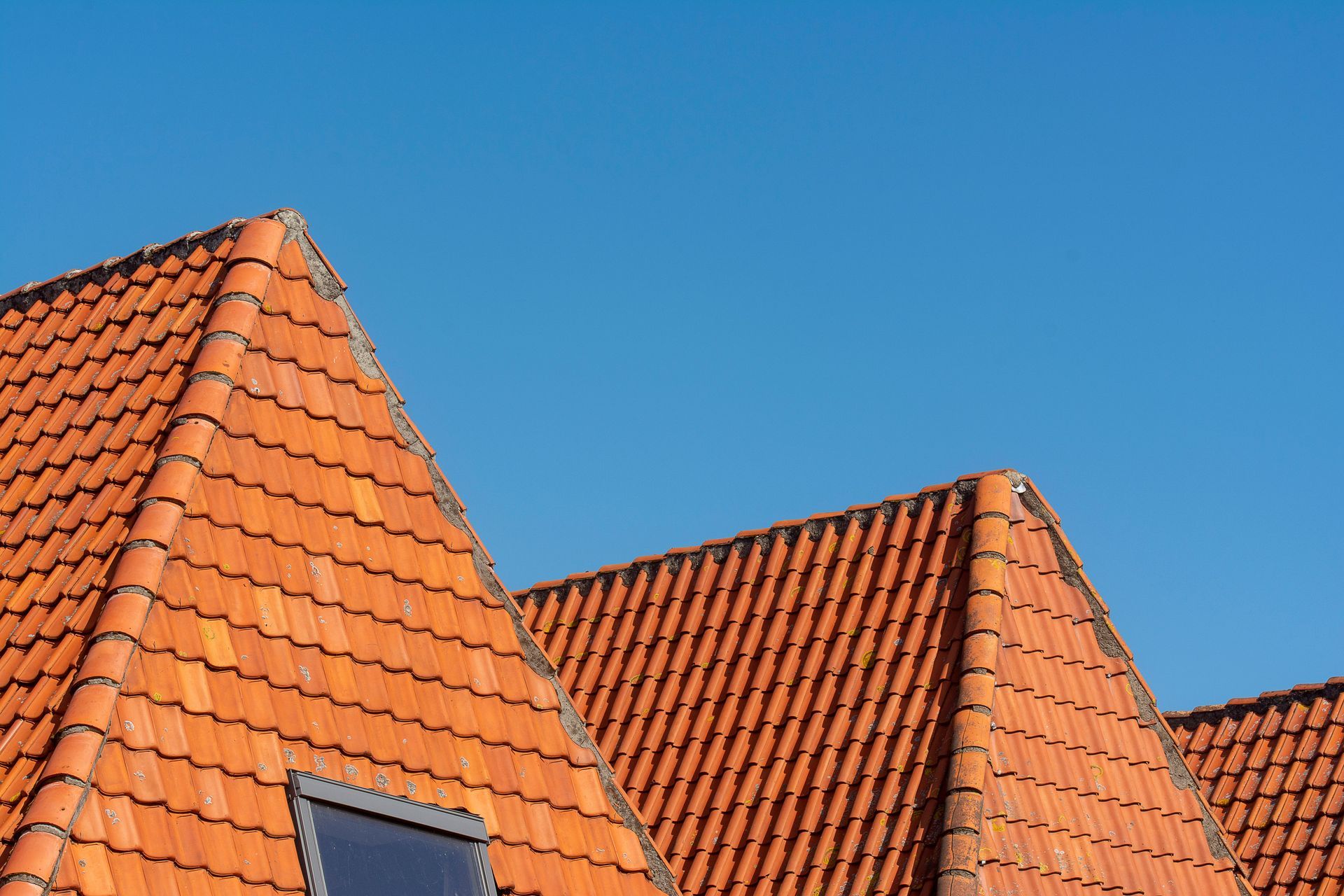
Traditional Kent peg tiles are small, hand-made and only around 16mm thick, with no moulded interlocking nib like a modern tile. They are fixed to timber laths using pegs or nails in a triple-lap pattern, meaning the roof's weatherproofing depends on the alignment and integrity of many individual, relatively fragile tiles rather than a smaller number of thick, interlocking units. These tiles were never designed with a pressure washer in mind, simply because pressure washers did not exist when they were made.
Age adds another layer of risk. Many of Sevenoaks' peg tile roofs have been in place for decades, and the tiles, laths and pegs holding them together have weathered accordingly. High-pressure water finds and exploits weaknesses that a gentler method would never disturb, which is why a soft washing approach is particularly important wherever a roof of this type is involved.
5. Tile-Hung Walls in Sevenoaks Carry the Same Risk
The same small clay tiles used on Wealden roofs are also hung vertically on the walls of many older Sevenoaks properties, a technique that developed to protect timber-framed buildings from driving rain. Because tile-hung walls use identical materials and fixings to peg tile roofs, they are exactly as vulnerable to high-pressure cleaning, and the same soft washing approach should be used whenever a tile-hung elevation needs attention.
Anyone with a property combining both, a peg tile roof and tile-hung gables, which describes a great many older houses in and around Sevenoaks, should treat both elements as needing the same gentle method rather than assuming the wall can be cleaned more roughly than the roof.
6. Moss, Algae and Lichen: Why Treatment Matters as Much as Method
Physically removing visible moss without treating the underlying spores only buys a short delay before regrowth. This is true whichever cleaning method is used, but it matters more with pressure washing, since the rougher surface left behind after high-pressure cleaning gives new spores an even easier foothold than before. Soft washing's biocide treatment addresses this directly, slowing the return of moss, algae and lichen for considerably longer than a purely mechanical clean.
Given how much tree cover surrounds Sevenoaks, as explored in our piece on the Greensand Ridge and heavy tree cover, a treatment that actually slows regrowth is worth far more here than in a more exposed, open town.
7. Gutter Protection During the Cleaning Process
- Debris control: moss and grime removed from the roof should be collected rather than left to wash straight into gutters and downpipes.
- Lower runoff volume: soft washing uses far less water than pressure washing, reducing the risk of overwhelming gutters during the clean itself.
- Reduced blockage risk: gentler cleaning is less likely to dislodge large amounts of moss at once, which can otherwise clog downpipes in a single go.
- Combined visits: many Sevenoaks properties benefit from gutter cleaning alongside roof cleaning, since both jobs deal with the same leaf litter and moss debris.
- Post-clean checks: a thorough cleaner checks downpipes are running freely once the roof work is finished.
8. What to Ask Your Cleaner About Method
Before booking anyone, ask directly whether they use soft washing or pressure washing, and ask them to explain why that method suits your specific roof. A cleaner who cannot explain the difference, or who defaults to pressure washing regardless of tile type or age, may not be the right choice for an older Sevenoaks property. Our guide on choosing a roof cleaner in Sevenoaks covers this and several other questions worth raising before you commit.
It is also reasonable to ask what happens if damage occurs during cleaning, and whether the company carries insurance that would cover repairs in that situation.
9. Long-Term Results: Why Soft Washing Wins Over Time
The real test of any cleaning method is not how the roof looks the day the job finishes, but how it looks two or three years later. Soft washing's combination of gentle mechanical action and biocide treatment tends to leave a roof looking clean for considerably longer than a pressure wash, precisely because it treats the cause of moss and algae growth rather than only the visible symptom. Over the working life of a roof, that difference adds up to fewer repeat visits and less accumulated wear on the tiles themselves.
For Sevenoaks' older Wealden roofs in particular, where the tiles themselves cannot simply be swapped out for a modern equivalent without altering the character of the building, protecting what is already there is usually the better long-term strategy than any method that risks accelerating its decline.
Frequently Asked Questions
Is soft washing suitable for every roof in Sevenoaks?
Soft washing suits the vast majority of roofs, including modern concrete tiles and older clay peg tiles, and is generally the safer default choice unless a specific surface has been assessed as suitable for a different approach.
Can pressure washing ever be appropriate?
It is sometimes used on very robust, modern surfaces, but on older or hand-made clay tiles the risk of damage generally outweighs any speed advantage it offers.
Does soft washing take longer than pressure washing?
It can take a little longer overall once treatment time is included, but the trade-off is a gentler process and longer-lasting results on delicate tiles.
How much does soft washing cost compared to pressure washing?
Pricing varies by company and roof, so it is best to ask for a direct comparison quote rather than relying on a general figure, particularly given the different equipment and treatments involved.
Will soft washing remove all the moss in one visit?
Most visible moss is removed during the visit, with the biocide treatment continuing to work on remaining spores over the following weeks, which is part of why regrowth is slower afterwards.
Can I ask my cleaner to use pressure washing anyway if I prefer it?
You can ask, but a responsible cleaner should advise against it on delicate or hand-made tiles and explain the risks clearly rather than simply agreeing to a method likely to cause damage.
Not sure which cleaning method suits your Sevenoaks roof? Ben's Roof Cleaning has over 15 years of experience matching the right method to Sevenoaks' mix of modern and traditional Wealden tiles. Get in touch or call 0173 244 1127 for a free, no-obligation quote.
The Right Method Protects a Sevenoaks Roof for Decades, Not Just for a Season
Choosing between soft washing and pressure washing is not a minor detail. For the delicate Wealden clay tiles found across so much of Sevenoaks, it is the single decision most likely to determine whether a roof keeps its character and integrity for years to come, or starts showing avoidable damage within a season or two. Soft washing, paired with a proper biocide treatment, remains the safer, more reliable choice for almost every roof in the district.