Wealden Roofs in Sevenoaks: Clay Peg Tiles and Tile-Hung Walls
Walk down almost any street in the older parts of Sevenoaks and you will see the same pairing again and again: a steep clay tile roof sitting above walls that are themselves hung with rows of small, hand-made tiles. This is the classic look of the Kentish Weald, and it is one of the reasons roof cleaning Sevenoaks homeowners arrange tends to look a little different from roof cleaning in a modern estate elsewhere. Clay peg tiles and tile-hung elevations are not just decorative choices. They are practical, centuries-old responses to Kent's weather, and they need to be cleaned with real care if they are going to keep doing their job.
The quick answer: clay peg tile roofs and tile-hung walls in Sevenoaks are softer, more porous and more irregular than modern concrete or machine-made tiles, so they should always be cleaned with low-pressure soft washing rather than a pressure washer, and inspected by someone who understands how old Wealden roofs are put together.
1. Why Sevenoaks Has So Many Clay Peg Tile Roofs
Sevenoaks sits on the edge of the Weald, the broad, once heavily wooded landscape that stretches across Kent and Sussex. Clay has been dug and fired here for hundreds of years, and by the late seventeenth century tile-hanging had become the standard way to finish walls and roofs across this part of the country. Local brickfields and tileworks, including well documented sites just outside Sevenoaks at Dunton Green, supplied the small clay tiles that still cover so many roofs in the district today.
Because the material was local and the skill was passed down through generations of tilers, the look became a shared identity rather than a one-off style. Cottages, farmhouses, terraces and the grander houses near Knole all use the same basic building block: a hand-made clay tile, fixed with a wooden peg or nail, laid so that each course overlaps the one below.
2. What Makes a Clay Peg Tile Different From a Standard Roof Tile
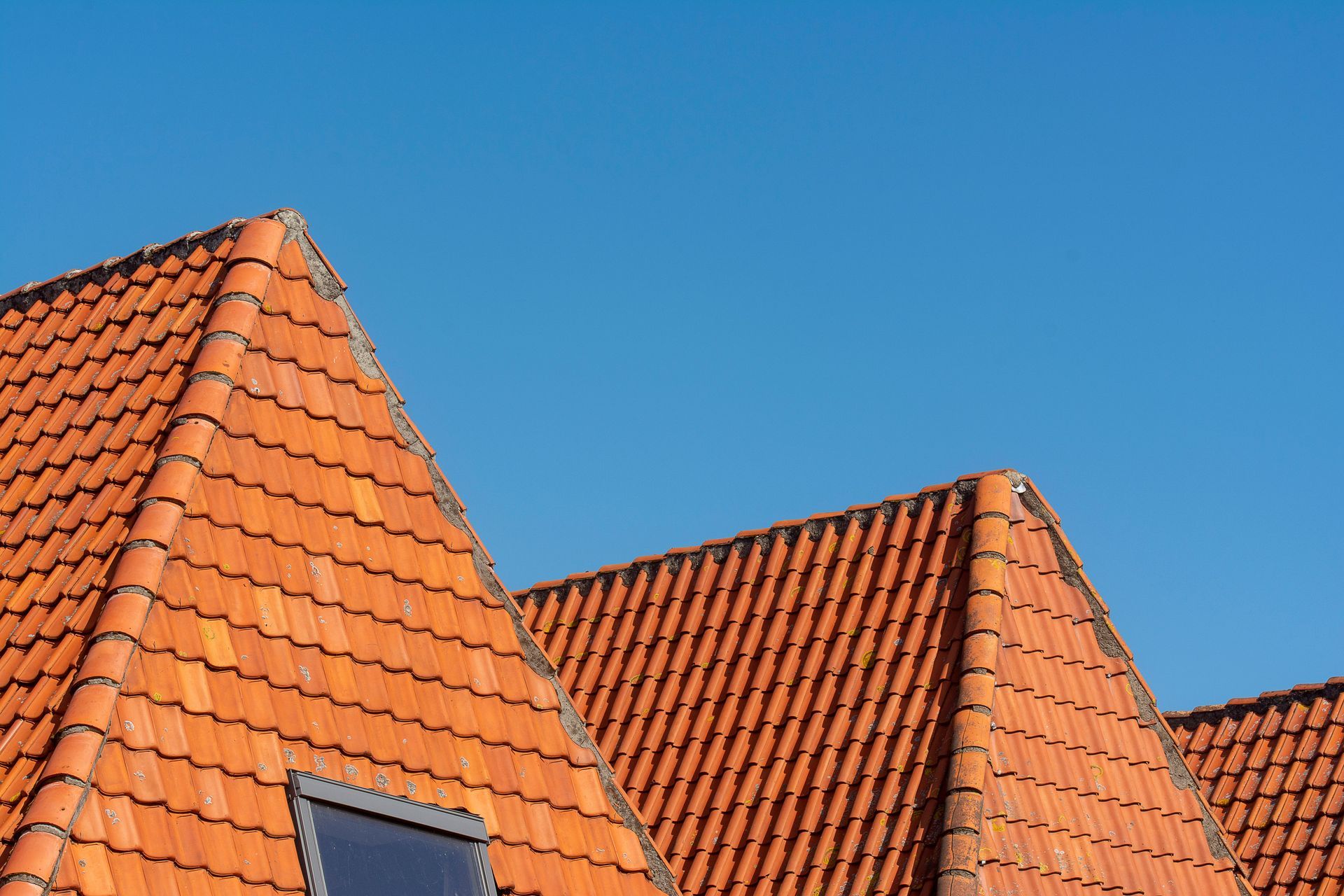
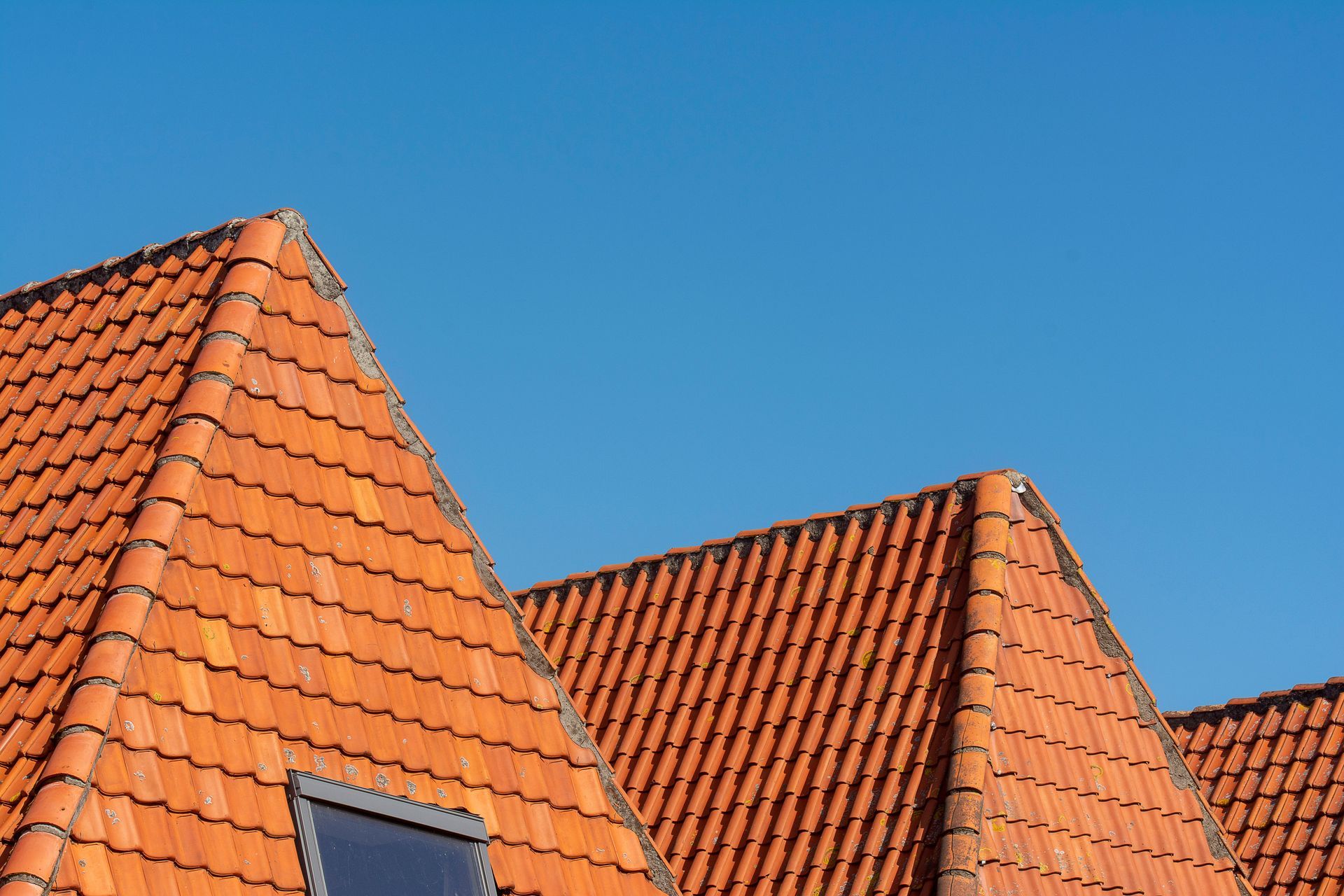
A traditional Kent peg tile is small, usually somewhere around 265 to 270mm long and 165mm wide, and only about 16mm thick. Unlike a modern interlocking concrete tile, it has no nib moulded into the back. Instead it has one or two holes near the top, through which a wooden peg or a nail is passed to hook the tile over a timber lath. Courses are laid in a triple-lap pattern, so at any point on the roof there are three thicknesses of tile between the inside of the house and the weather.
Hand-made tiles are also slightly cambered and uneven, which is exactly what gives an older Sevenoaks roof its soft, rippled appearance rather than the flat uniformity of a modern estate roof. That same unevenness, though, means the surface is more porous and more likely to trap moss spores, algae and grime in its irregular texture.
3. Tile-Hung Walls: The Wealden Answer to Weather-Beaten Timber
Long before cavity walls and modern render existed, builders in the Weald faced a simple problem: timber-framed walls filled with wattle and daub do not cope well with driving rain. The solution that spread through Kent, Surrey and Sussex from the late 1600s onwards was to hang the same small clay tiles vertically on the exposed faces of a house, usually the upper storey or the side that took the worst of the weather.
The tiles were fixed to riven oak laths in the same triple-lap style used on roofs, with the upper part sometimes bedded into a lime and hair mortar known as torching for extra weatherproofing. The result is a wall that sheds water the same way a roof does, and in Sevenoaks this is still one of the most recognisable features of the older housing stock, particularly around the town centre and along routes towards Riverhead and Otford.
4. Sevenoaks' Conservation Areas and Why Roof Material Matters
Sevenoaks District Council currently designates around 41 conservation areas, and several sit within or close to the town itself, including Sevenoaks High Street, Sevenoaks Hartslands, Kippington and Oakhill Road, Sevenoaks Weald, and the historic centres of Riverhead and Otford. In these areas, the roofscape of clay peg tiles and tile-hung gables is part of what the designation exists to protect.
That matters for maintenance as much as for planning applications. A roof that has survived a century or more in a conservation area has usually done so because it has been repaired and cleaned sympathetically rather than replaced. Aggressive cleaning methods that crack, chip or dislodge hand-made tiles can permanently change the character of a house that its conservation area designation was partly designed to protect.
5. Why These Older Tiles Need a Gentler Cleaning Approach
Modern concrete tiles are dense, machine-pressed and fairly resistant to a direct jet of water. Hand-made clay peg tiles are the opposite. They are more brittle with age, more absorbent, and often bedded on laths and pegs that have themselves been in place for decades. A pressure washer set at typical domestic settings can strip the surface off a soft old tile, force water past broken pegs into the roof timbers, or simply blast tiles loose from a fixing that was never designed to withstand that kind of force.
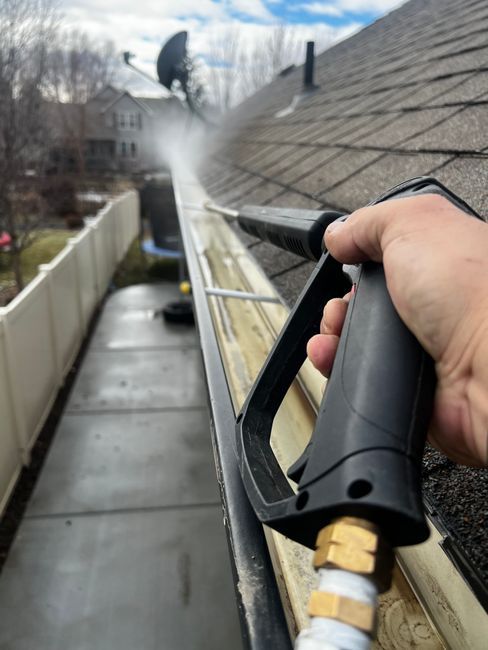
Soft washing, by contrast, uses low water pressure combined with a biocide treatment to lift moss, algae and lichen from the surface without disturbing the tile itself. For Sevenoaks' older roofs, this is not a matter of preference. It is the only method that respects both the physical fragility of the tiles and the historic character the district is trying to preserve.
6. Common Problems We See on Wealden Peg Tile Roofs
Because Sevenoaks combines heavy tree cover with a large stock of older clay tile roofs, certain problems come up again and again. Moss establishes readily in the rougher texture of hand-made tiles, particularly on north-facing slopes and anywhere overhung by mature trees. Once moss takes hold, it holds moisture against the tile for long periods, which accelerates frost damage in winter.
Cracked or slipped pegs are another recurring issue, often only visible once moss and debris are cleared away. Gutter cleaning becomes part of the same picture too, since moss and leaf litter washed or blown off an older roof tends to collect in gutters faster than it does on a smooth modern tile, leading to overflow that can stain tile-hung walls directly beneath.
7. Signs Your Clay Peg Tile Roof Needs Attention
- Green or black staining spreading across tile surfaces, especially on shaded or tree-covered slopes.
- Moss cushions visible along tile edges or in the recesses between courses.
- Slipped or displaced tiles where a peg or nail has failed and the tile has dropped out of line.
- Gutters filling quickly with granules, moss debris or leaf litter after rain.
- Damp patches appearing on tile-hung walls below roof valleys or parapets.
8. How Professional Roof Cleaning Protects Character Roofs
A cleaner who understands Wealden roofing will inspect before touching a wash lance, checking for loose pegs, cracked tiles and areas where torching has failed. Work is carried out from ground level or from a properly supported access system rather than walking directly on brittle old tiles, which avoids the accidental breakages that foot traffic causes on hand-made clay.
Low-pressure soft washing then removes organic growth without eroding the tile surface, and a biocide treatment slows the return of moss and algae for longer than a one-off pressure wash ever could. For homeowners weighing up soft washing against pressure washing, the peg tile roofs common across Sevenoaks make that choice a fairly straightforward one.
9. Caring for Tile-Hung Walls Alongside the Roof
Because tile-hung walls use the same small clay tiles as the roof above them, they benefit from the same gentle treatment. Moss and algae that build up on a shaded gable wall respond well to the same soft washing and biocide approach used on the roof, and doing both together during one visit keeps the whole elevation looking consistent rather than tackling the roof one year and the walls the next.
If you are unsure who to call for this kind of work, it is worth reading our guide on how to choose a roof cleaner in Sevenoaks before booking anyone to work on a period property.
Frequently Asked Questions
Are clay peg tiles still used on Sevenoaks roofs today?
Yes. Many original peg tile roofs remain in place across the town and surrounding villages, and matching replacement tiles are still made for repairs on listed and conservation area properties.
Can pressure washing damage a peg tile roof?
It can. The force of a standard pressure washer can strip the surface of a soft, hand-made tile, dislodge pegs, or force water past the tile into the roof structure, so low-pressure soft washing is the safer choice.
Does living in a conservation area affect how I can clean my roof?
Routine cleaning and moss removal do not usually need planning permission, but any works that could alter or damage the tiles on a designated building should always be carried out carefully and, where in doubt, discussed with the council first.
How much does it cost to have a roof professionally cleaned in Sevenoaks?
Costs vary with roof size, pitch, access and how much moss or growth needs removing, so general market prices for UK roof cleaning can range fairly widely. It is always worth getting a site-specific quote rather than relying on a national average.
How often should a tile-hung wall be cleaned?
This depends on aspect and tree cover, but shaded, north-facing tile-hung walls in Sevenoaks often need attention every few years, while sunnier elevations can go longer between cleans.
Will cleaning remove the natural weathering that gives old tiles their character?
No. Soft washing is designed to remove moss, algae and grime rather than the natural patina of the clay itself, so the tile keeps its aged character while losing the organic growth that damages it.
Have a clay peg tile roof or tile-hung wall in Sevenoaks? Ben's Roof Cleaning has spent over 15 years working on roofs and gutters across Sevenoaks and the surrounding Wealden villages, and understands how to treat older clay tiles with the care they need. Get in touch or call 0173 244 1127 for a free, no-obligation quote.
Sevenoaks' Character Depends on Roofs Like These Being Looked After Properly
The clay peg tile roofs and tile-hung walls that define so much of Sevenoaks did not survive this long by accident. They were built to be repaired rather than replaced, and they last for generations when they are cleaned and maintained with an understanding of how they are actually put together. Careful, low-pressure roof cleaning Sevenoaks properties can rely on is not just about appearances. It is what keeps these old materials doing the job they were designed for, on the roof and on the wall, for many more years to come.